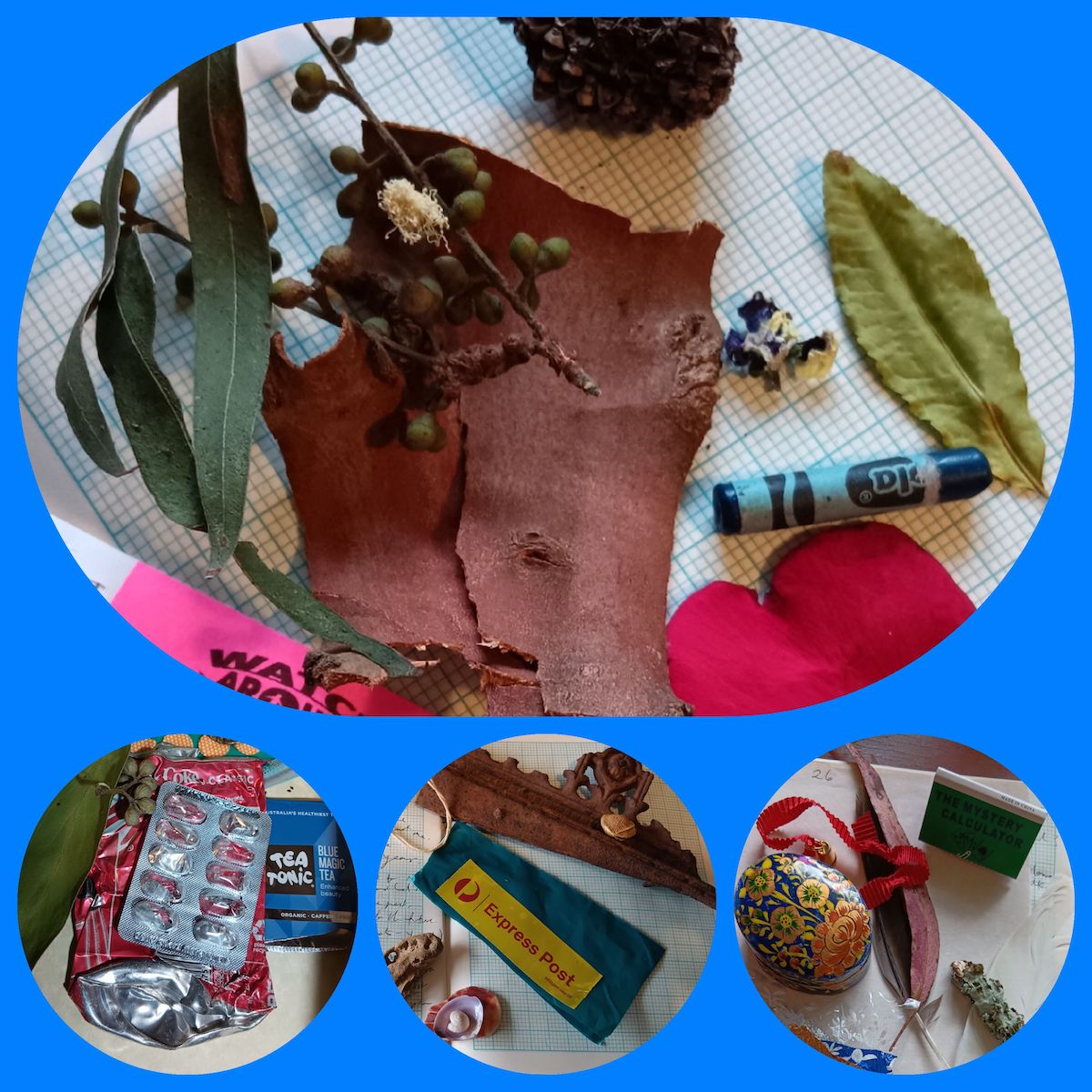
Greetings from our cosy Winter loungeroom with snoring kitties, books, and Julian playing sweet guitar. As the broader world continues to be a confounding and heartbeaking place and we are all doing what we can in our own ways, I wanted to share some small joys, sent with love and thanks to all the good people making their way. Settle in for a wander/wonder.
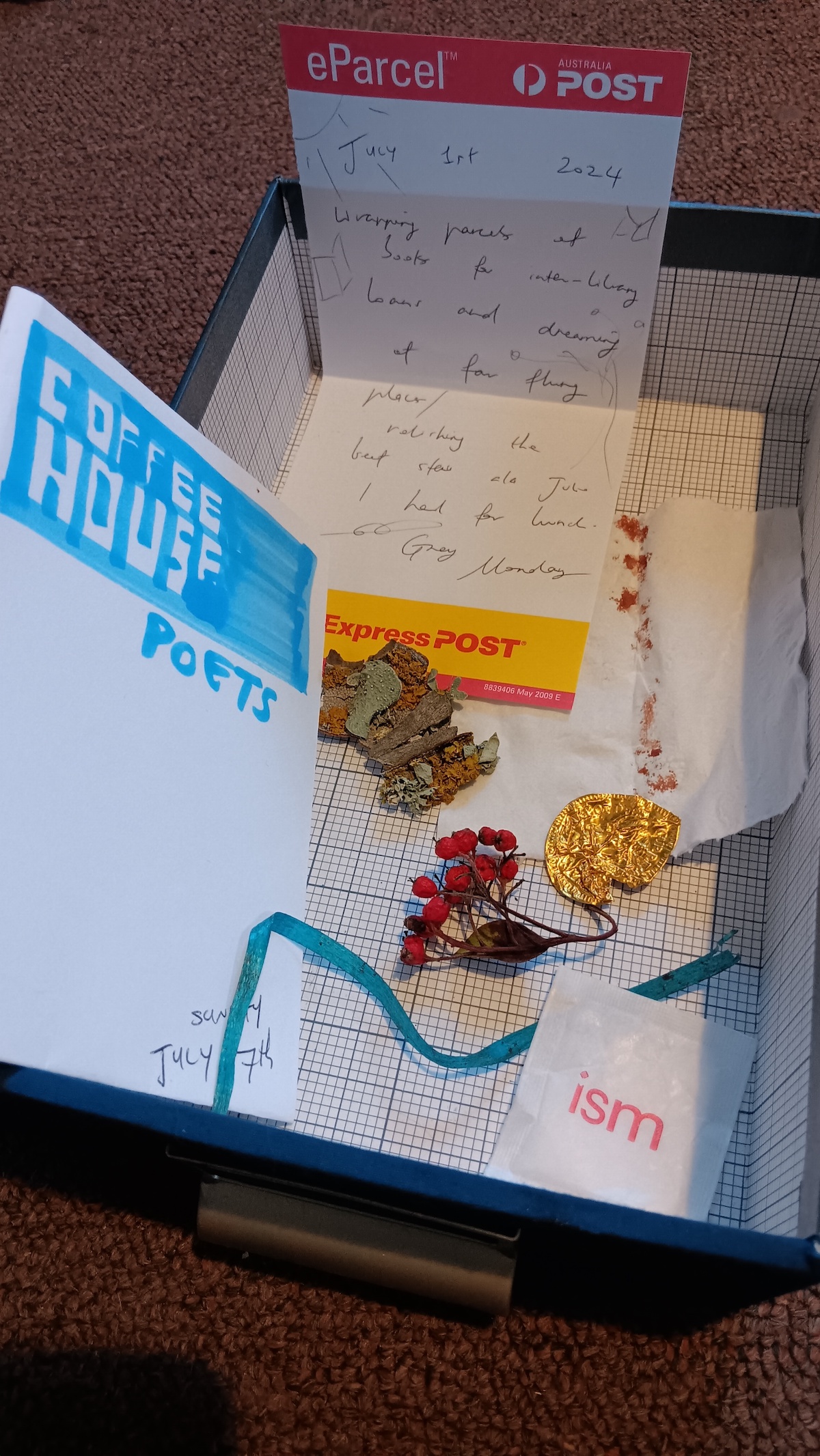
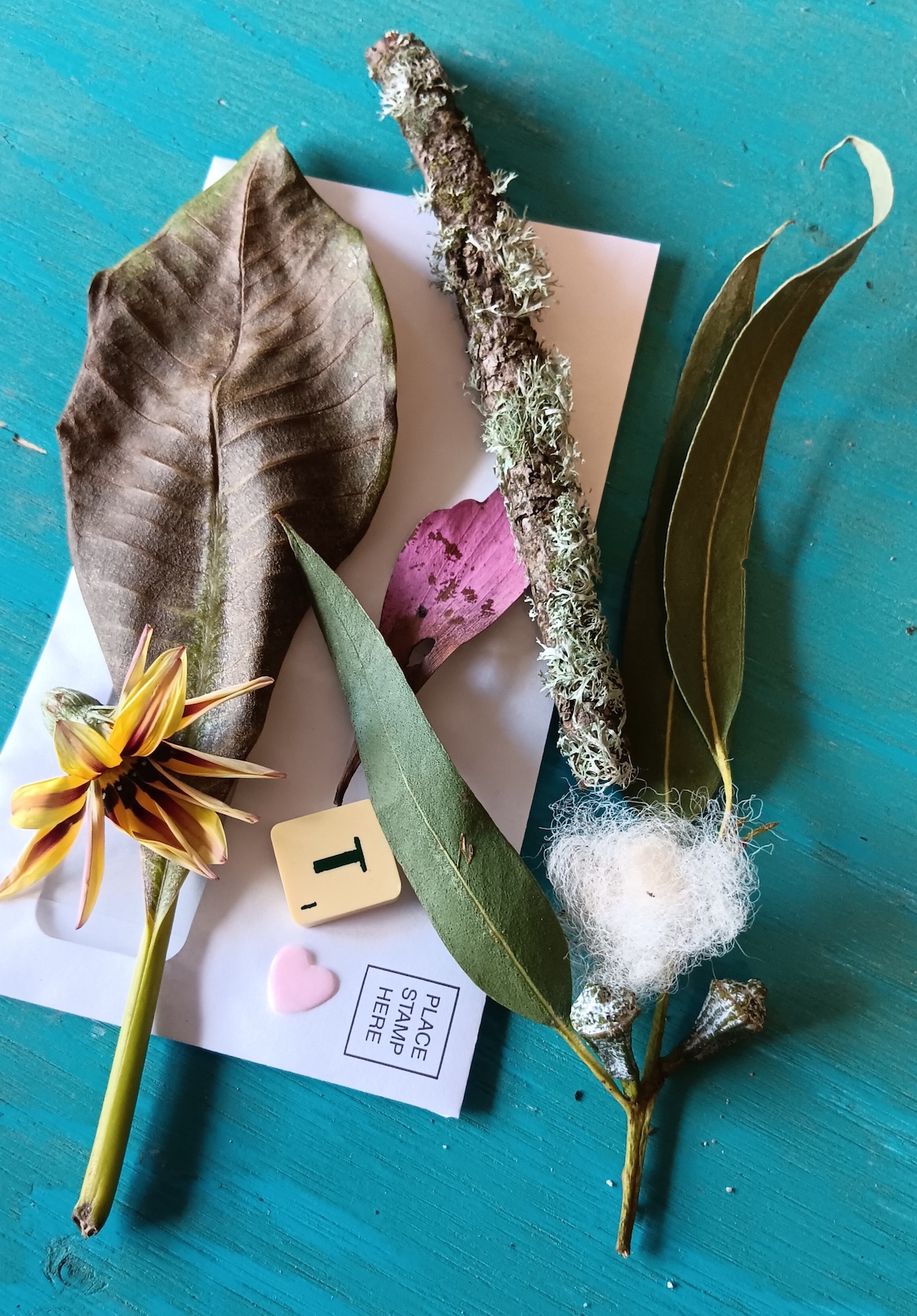
On Tuesday it marked one year since I started my daily collecting project, now known as the Bowerbird Project, and I have now completed all 52 weeks! See week 1 and 52 here with me pottering in the collagarium/collectorium : )

This week is also two years since I first visited Northern Greece and connected with my ancestry in the region along with an international world of walking artists.
My love goes out to fellow Australian Walking Artists co-convenor Molly Wagner and all the curious folks wandering in Prespa this week for the 2025 Walking Arts Encounters and the opportunity this network provides to merge individual and collective practices towards peace and connectivity across artforms, and borders of all kinds. There are also so many wonderful things happening all around Australia with AWA artists and beyond, and as always we are listening and learning, wondering and wandering. If you’re interested in joining- check us out here and help us build this network of kind and curious creativity.
Some Bowerbird images and reflections follow here along with some related museum adventures from recent travels. So why did I start this project?
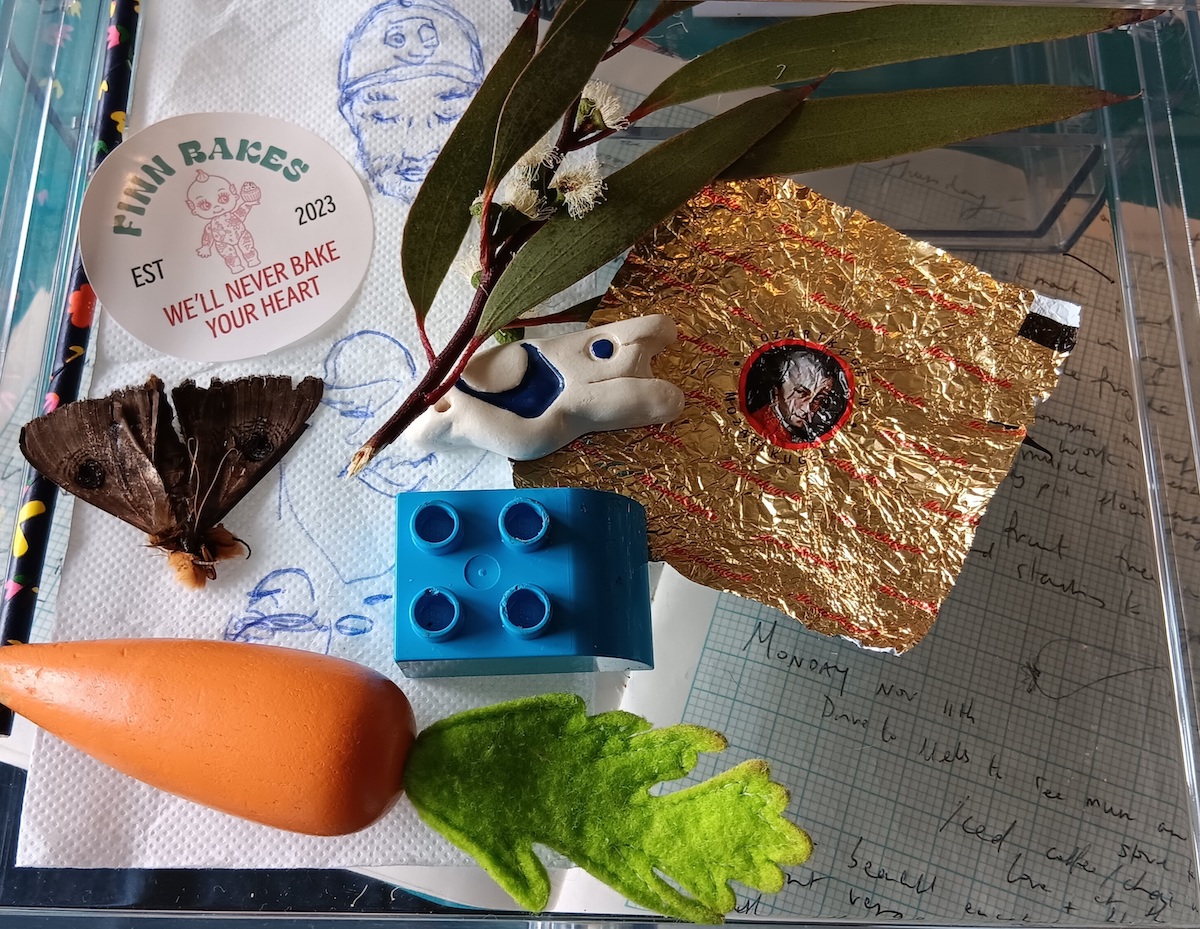
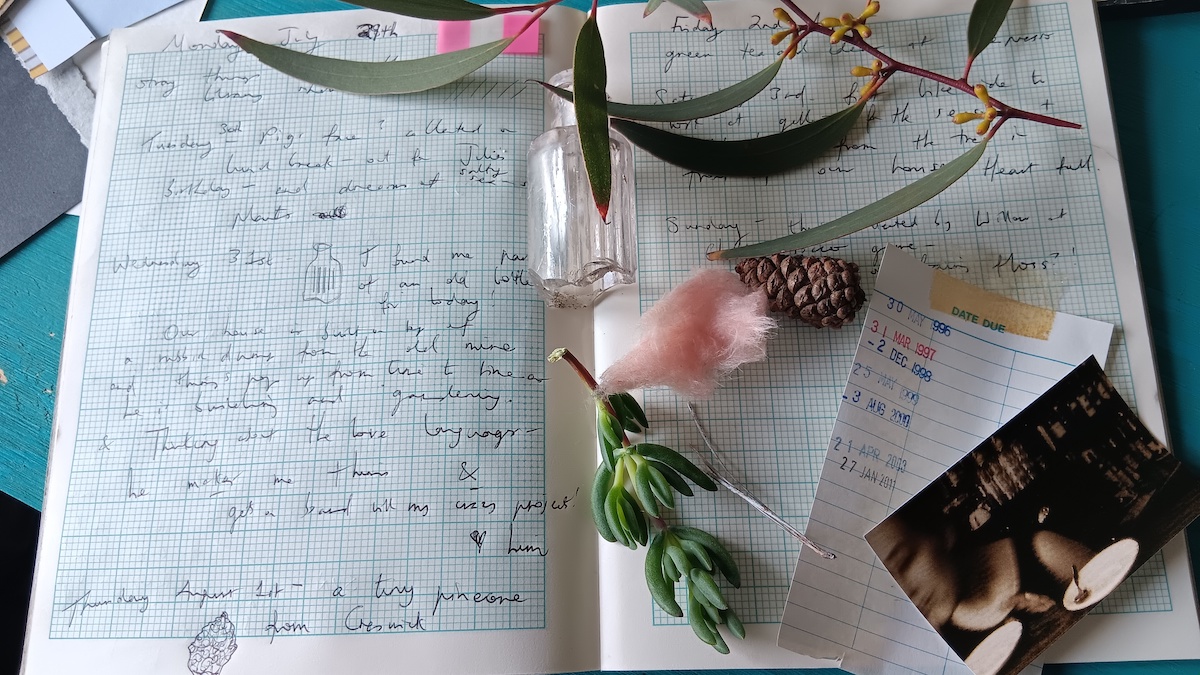
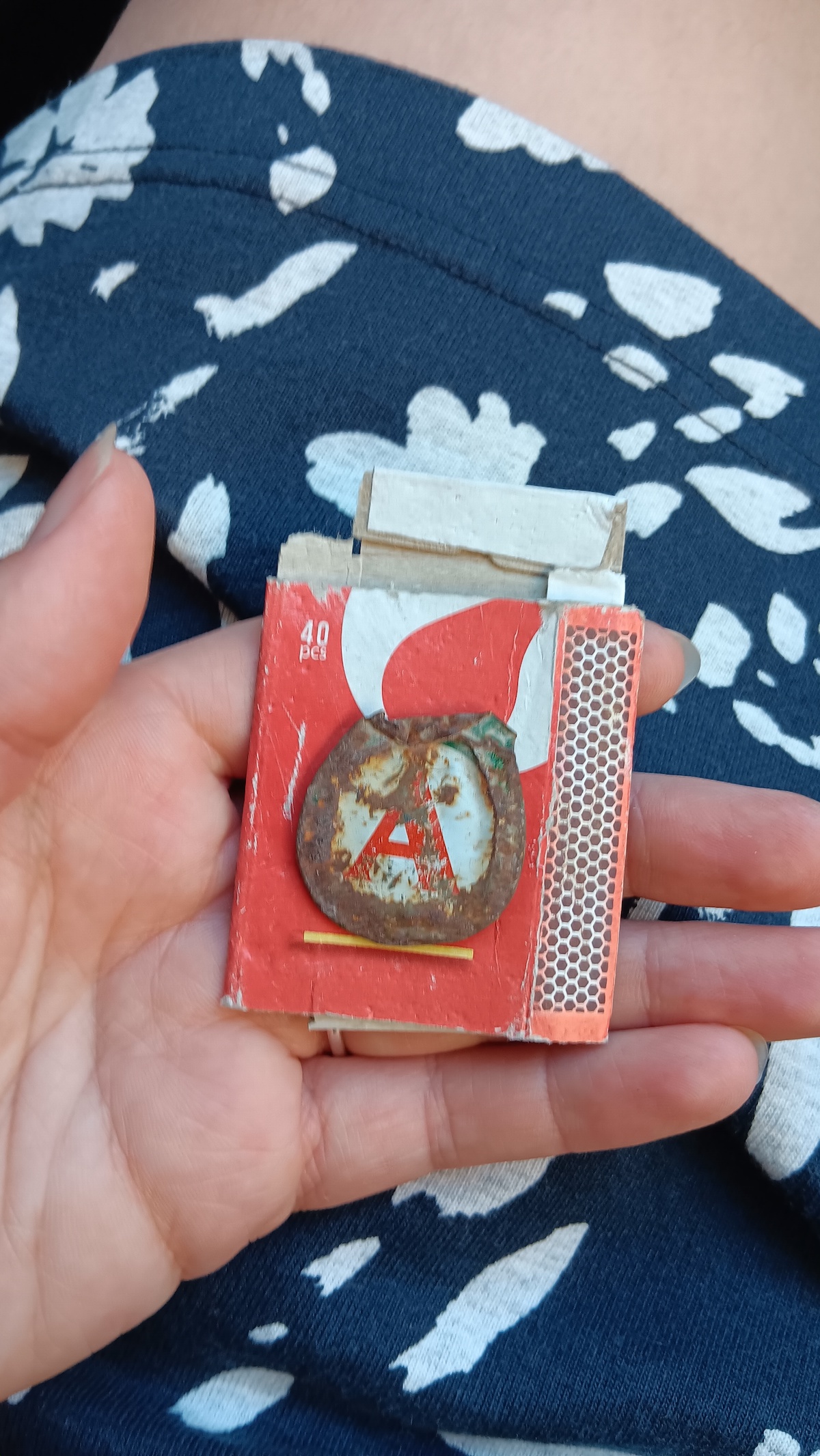
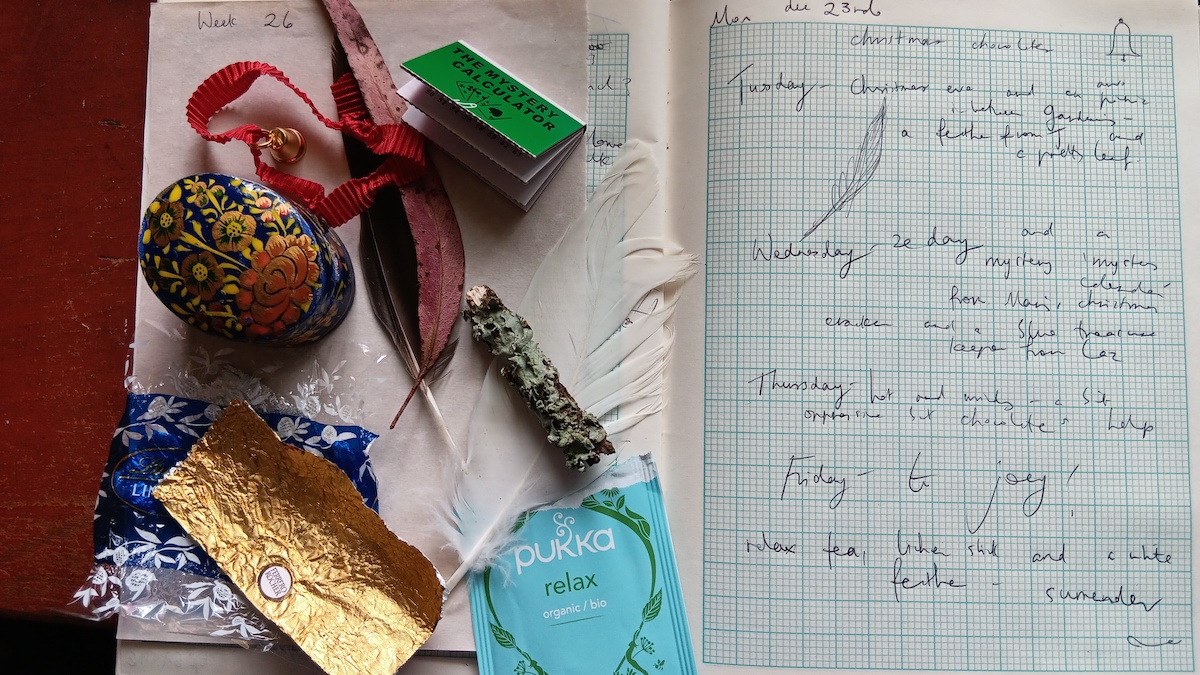
In feeling overwhelmed by the problems of the world and ‘the big picture’ I went in small, without any preconceived or grand ideas. When someone asked me the other day what my criteria was for collecting, I reflected it was basically anything that drew my attention, not too big, and no bad smells ; ) Essentially ‘No criteria’ but it evolved into a way of noticing and appreciating the everyday, and indulging my love of collage and assemblage.
I chose to send an image of the week each Sunday to a local artist friend and she had this to say:
“Amy’s collection has been a highlight each week. Seeing what someone observes and collects, versus what I have often taken for granted, walked over or not even seen, has been fascinating. I now look for treasures. It started with me thinking “Amy would love that” to now realising that I now look to seek the beauty in the everyday. I hope that this project is seen far and wide to remind us of the world we navigate.”
Thanks Lauren Mathews!
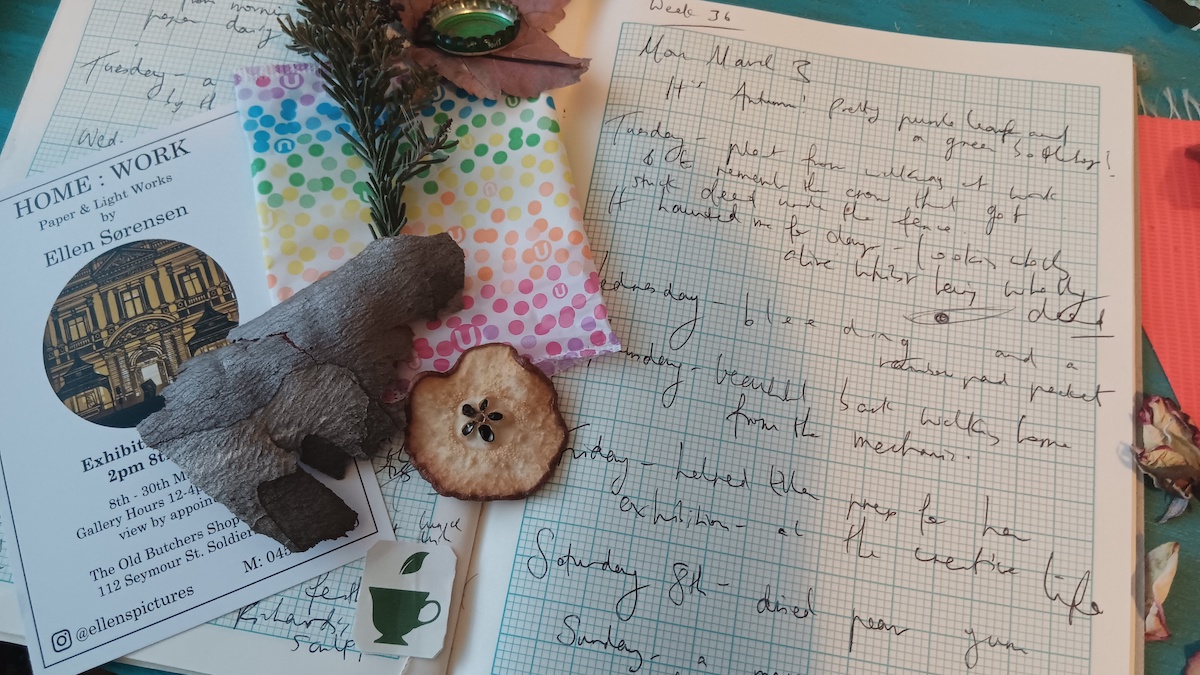
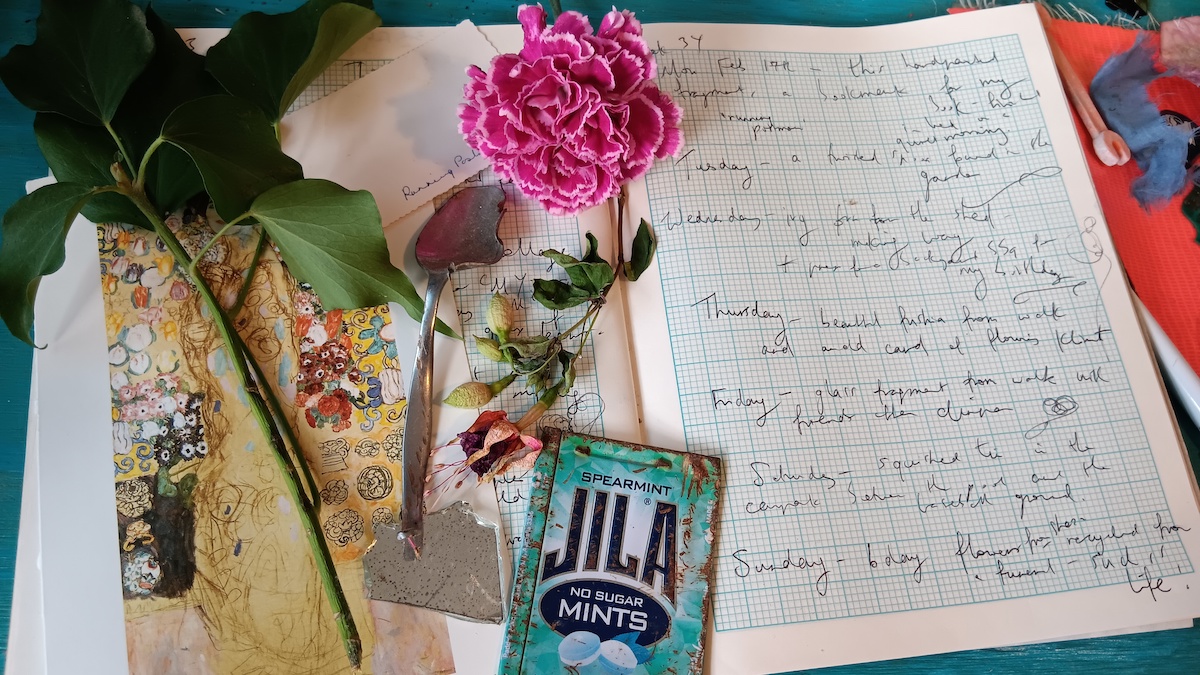
I photographed the objects weekly- again nothing fancy- accompanied by their short daily diary entry, and will see which artforms the project takes me towards next: possibly bookish, aural, sculptural, possibly participatory, so stay tuned, and for now I hope you enjoy these ponderings and pics.
Looking over the weekly photos this week, I jotted down some of the items- leaves, teabags, pills, pegs, rocks, fabric, blood, moths and pinecones; a mix of aesthetics, patterns, meanings, curiosities, records, frustrations, joys, woven through walks, threads, layers, perspectives, seasons of life, seasons of the world, navigations through…

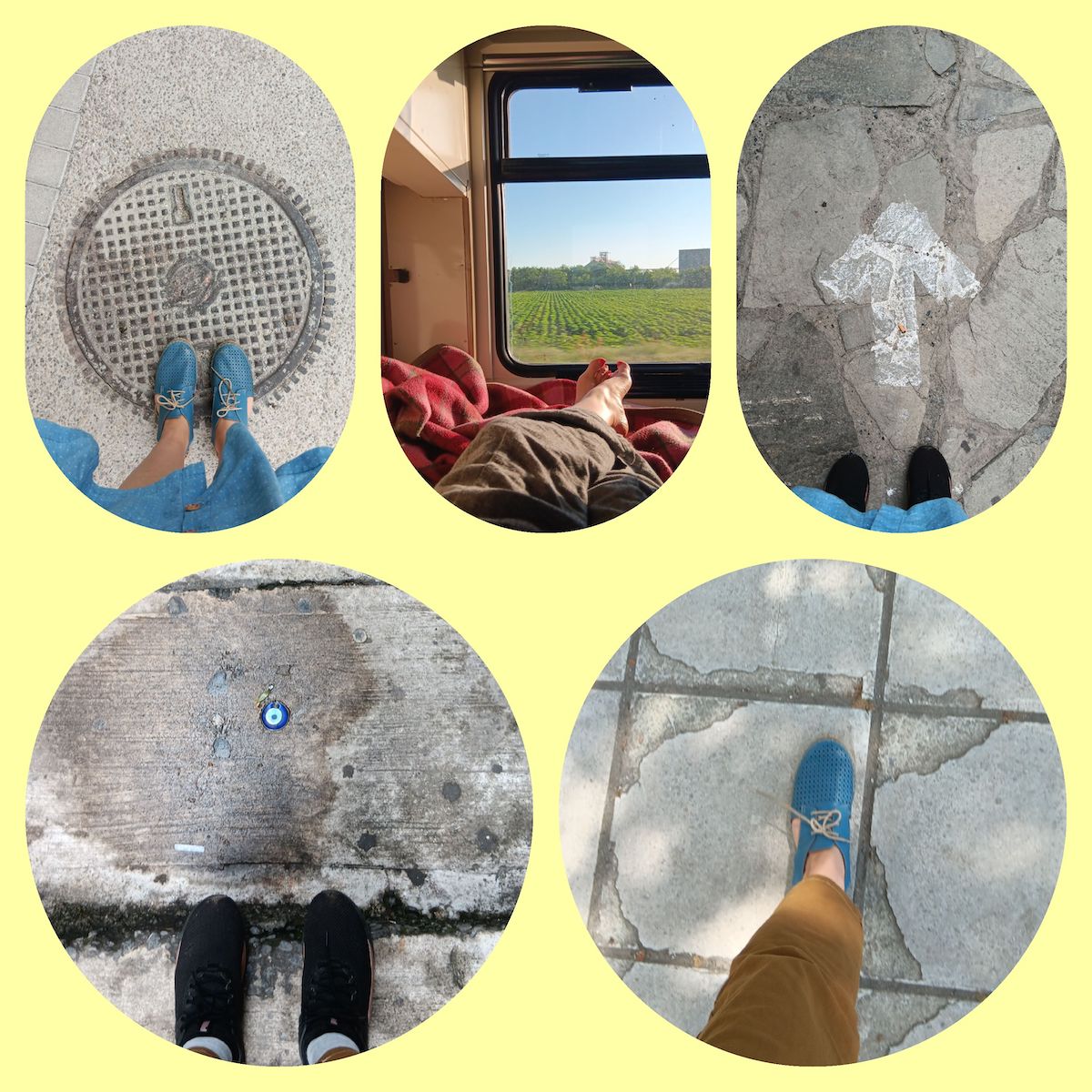
Sometimes objects and collections related to a particular walk and these swelled a bit during recent overseas travels (the 20th edition of A & J!) I made these collages with the objects and photos from the walks- the people & places and noticings- and playing with the idea of the xray, the close inspection of the not-obviously-interesting, the little beauties. And some more of the weeks for you to explore below.
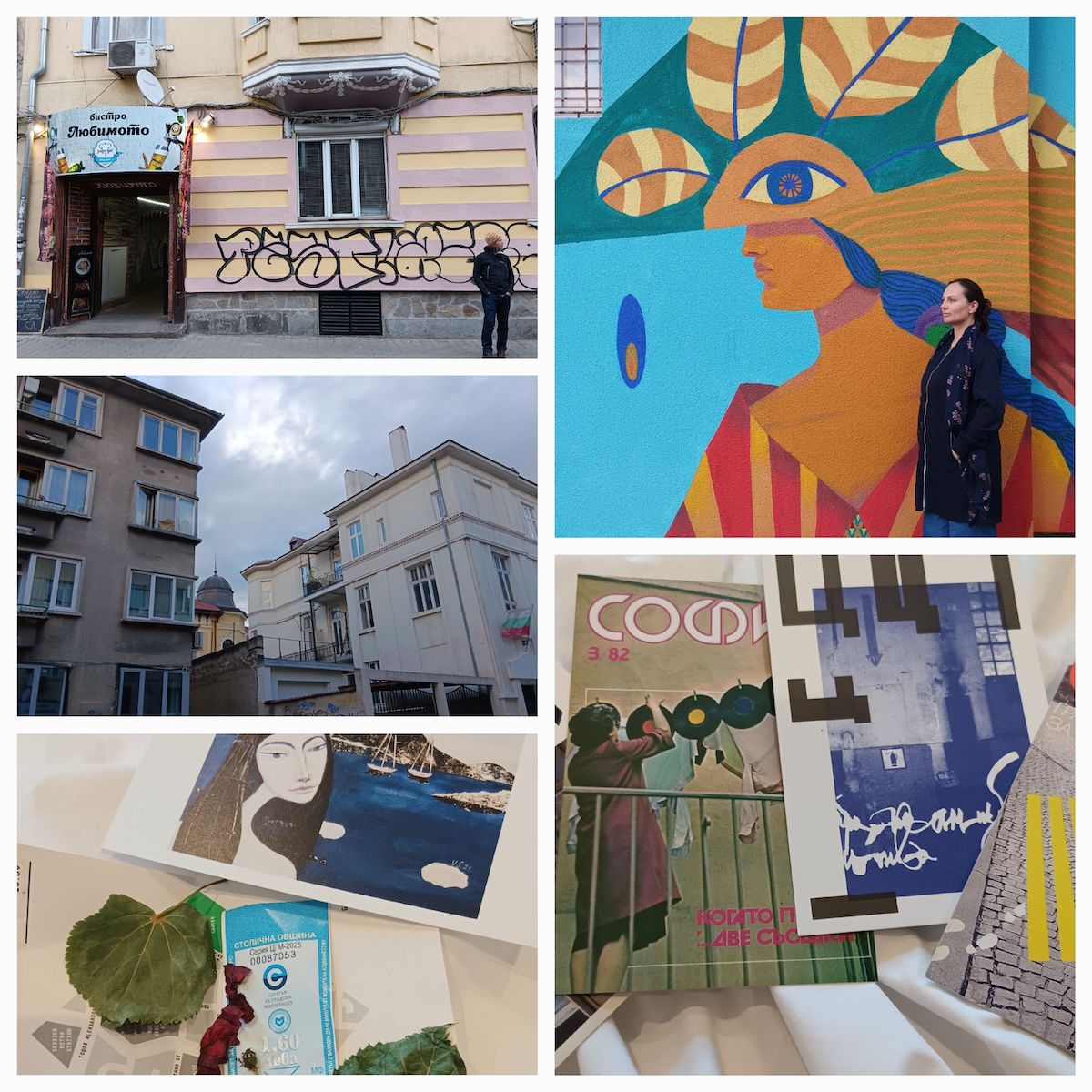
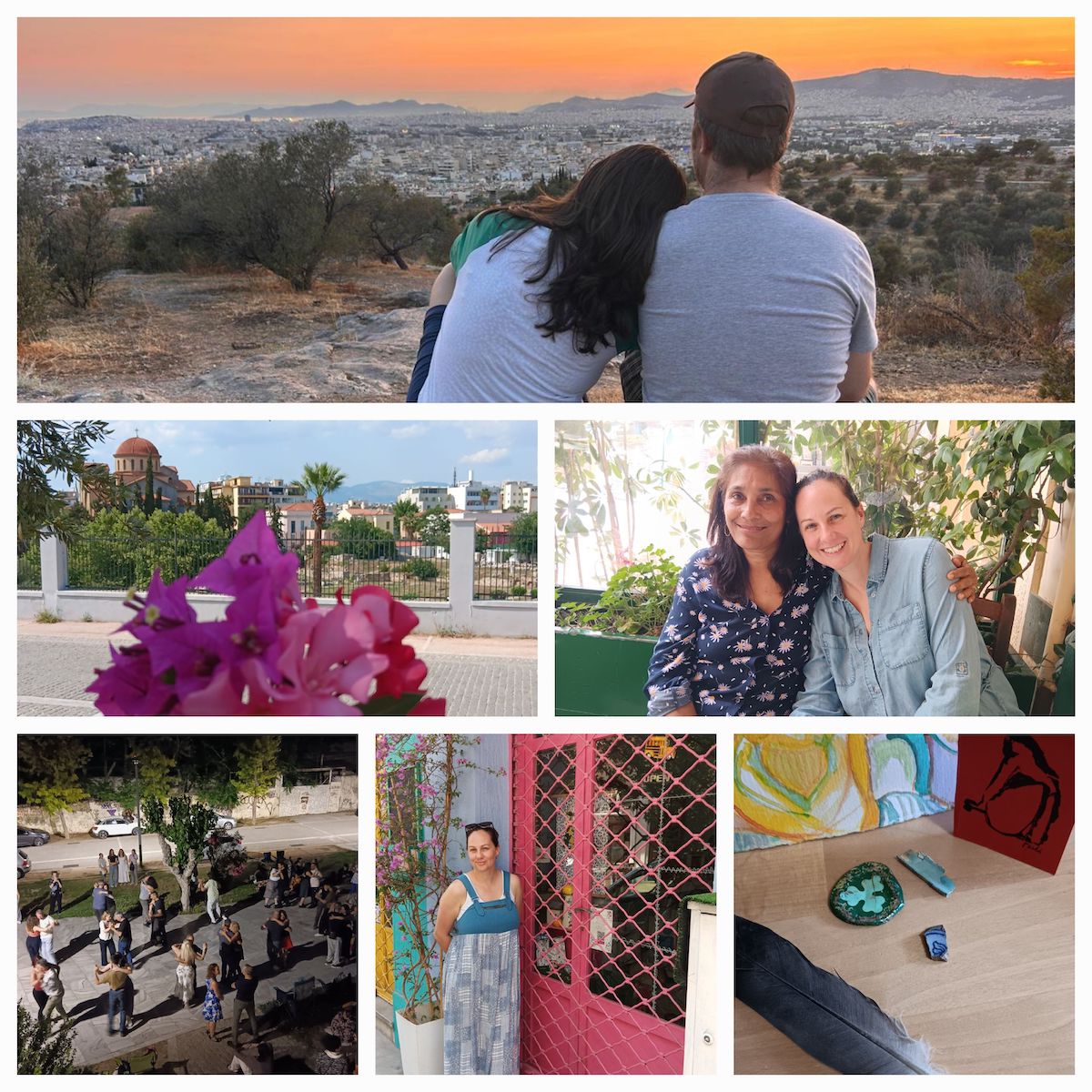






On our travels we were lucky to visit some unique museums that used everyday objects in powerful ways: The Museum of Innocence in Istanbul, Turkiye; The Red Flat Museum in Sofia, Bulgaria; the Polycentric Museum of Aigai, in Vergina, Greece; and the NSDoku- Munich Documentation Centre for the History of National Socialism, Germany.
The four museums allowed us to journey through 1970s Istanbul, 1980s Bulgaria, 4th century BC Macedonia and 1920s-40s Germany. A brief summary here but deeper thoughts to follow!
I was in heaven in the writer Orhan Pamuk’s Museum of Innocence, fortuitously stumbled upon by a visit to a ferry-side bookshop and fit into the last hour before we boarded the overnight train to Bulgaria! This museum revolves around an imagined life and also a novel, a fictional story meticulously brought to life through collected and displayed objects. I loved it so much, and as Pamuk discusses himself the museum explores how objects can turn time into physical space.
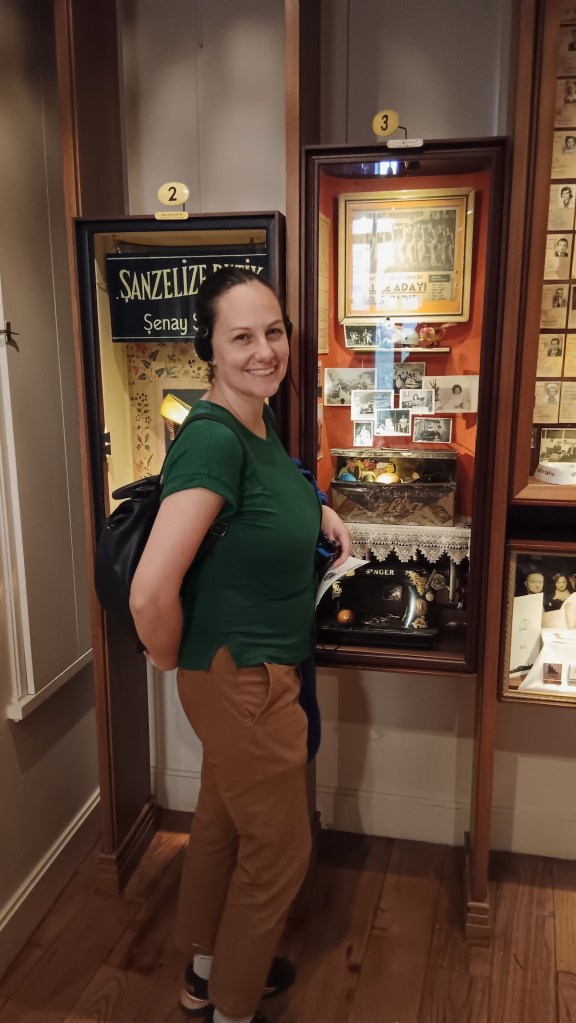
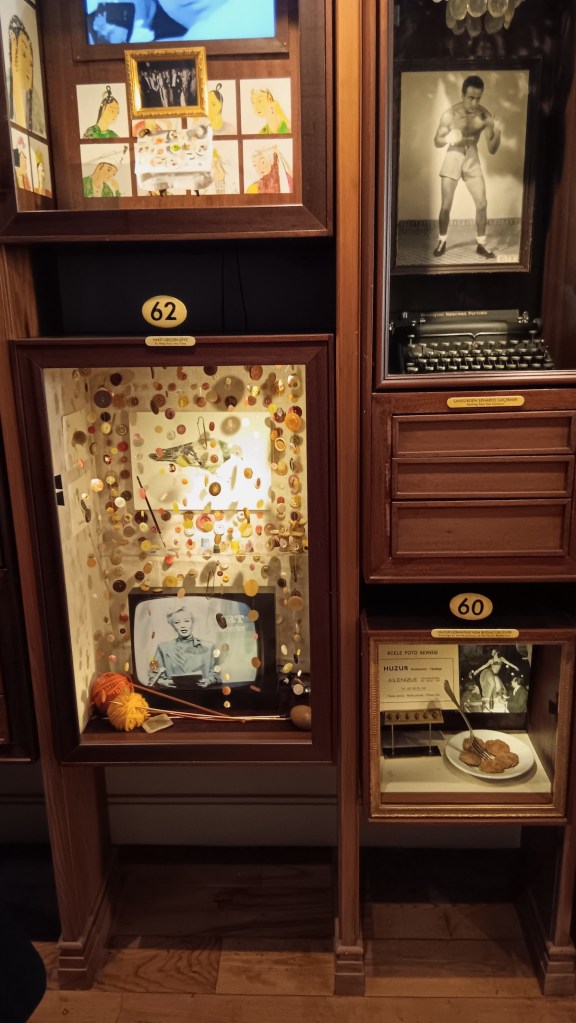
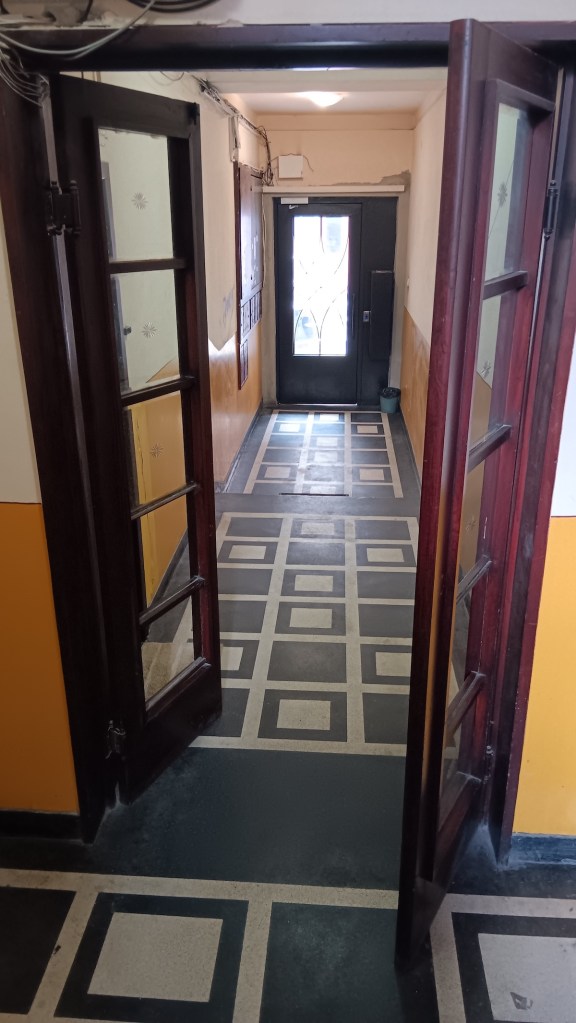
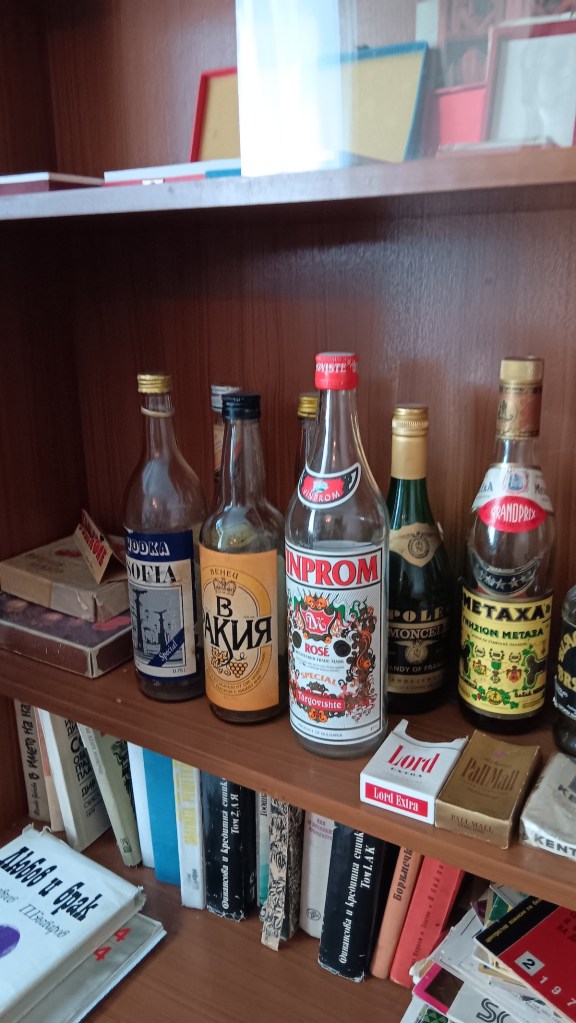
After being immersed in this fictional world and Pamuk’s writing on creating the book, museum and an associated film, it was interesting to experience the Red Flat Museum only a few days later, a time-capsule of life in 1980s Communist Bulgaria. The museum is located in the apartment of the family that used to live there, ‘interactive’ in that you are invited to touch the objects. I did this with both pleasure and awkwardness. Note there were no interactive smells.


Then to Northern Greece and for something completely different!- the ancient kingdom of Macedonia and its remnant palaces, tombs and the relatively new ‘Polycentric Museum.’ After the overwhelming royal riches in display case after display case- of statuary, jewellery, gold leafed crowns, and weapons in the tomb museum, I was very taken with the display of these collections of like-objects from everyday life: of keys, nails, tools, roof tiles complete with fingerprints- human and animal; the human scale. As one museum tour guide has described it “the reality of life.”
In a similar, but more personalised and heartwrenching manner, the exhibition ‘Memory Is’ at the NS Document Museum dispersed 22 items throughout the multi-level history of national socialism and its horrors.“On nsdoku‘s tenth anniversary Memory is … invites visitors to reflect collectively on our relationship to the past: How do we remember? What do we remember? And how can painful and distressing experiences be portrayed and communicated today?”


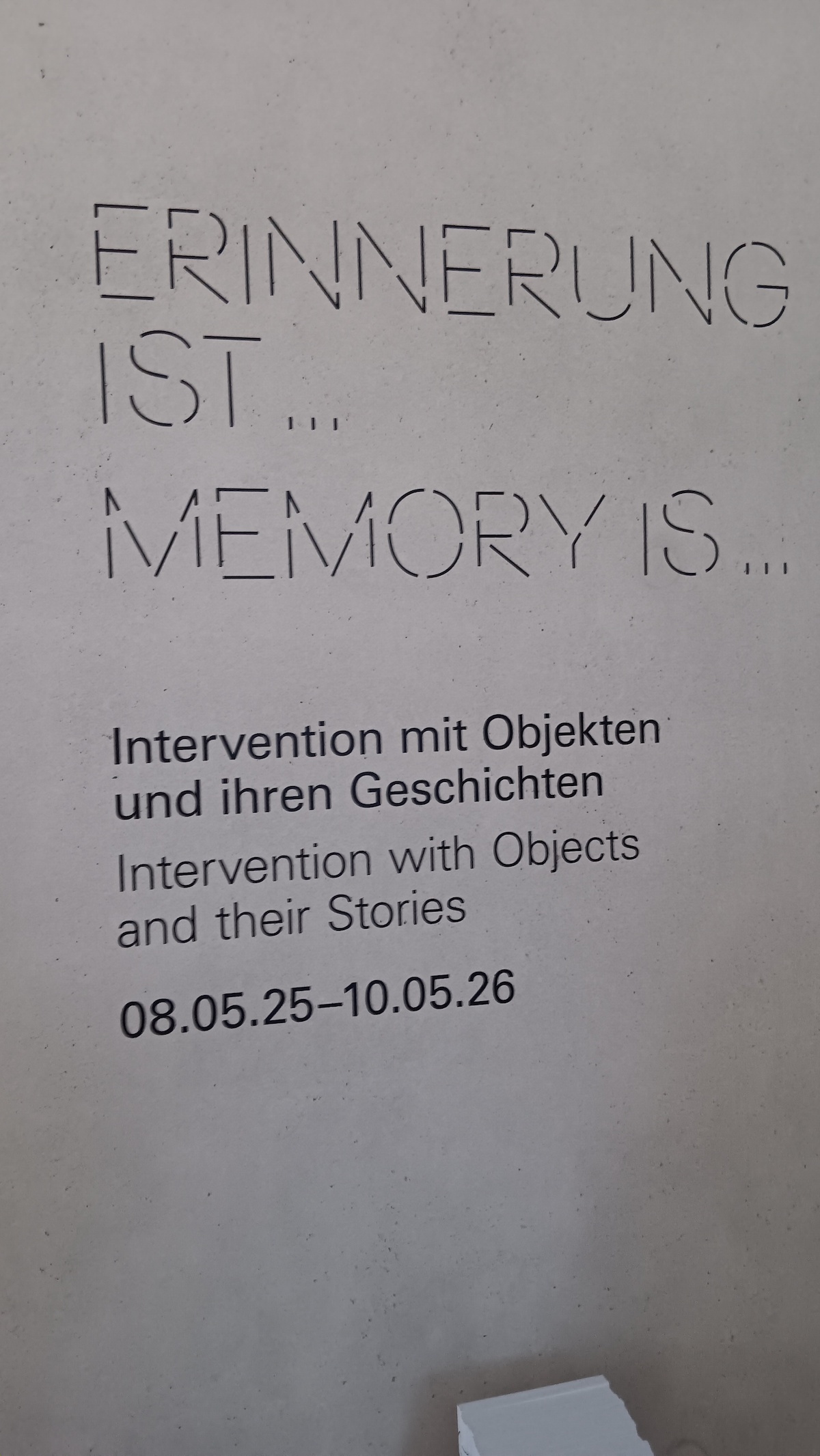
Again the personal nature of the objects was key: A plate owned by a kindergarten teacher who was later killed along with many of her pupils; a puppet made by an amazing artist, also gone too soon, obliterated by fascist rule. It was impossible not to draw the parallel to the horrors happening in Gaza as people are once again dehumanised; their humanity, property, lives and futures taken. Let’s not turn our eyes away. And always keep in mind the human scale.
And so in these times, I send my love to you. And share my noticing of the small, the tangible, the everyday, the mattering of matter? And ongoing questions around which objects are sacred, to be handled, not to be handled, and all the stories they tell. And perhaps something about how museums in different ways can make us think about creativity and existence over destruction and death, both in the past and the present. It can be hard to know what to do when such horror (and global complicity) continues to unfold daily. It’s good to remember that our resistance and our advocacy can come in many forms and that small actions and noticing have their own value and magic.
Thank you for reading! And stay tuned on the Bowerbird Project as it evolves into its next phase.
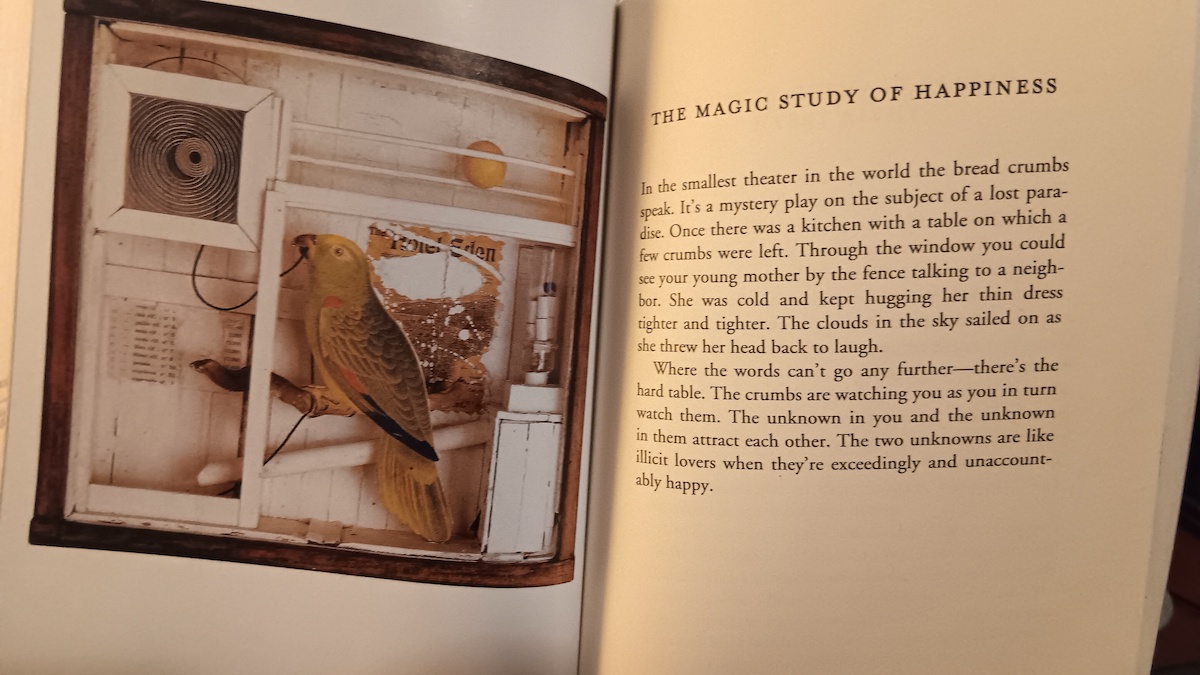
I will leave you with Joseph Cornell and Charles Simic (from Dime Store Alchemy) and the ‘smallest theatre in the world’….
PS: We also loved the Museum of Greek Folk Musical Instruments in Athens– highly recommended! Each of the instrument/objects is accompanied by songs played with these instruments and it was amazing to be taken through so much history and culture through music. I was so happy.
Sending pockets of happiness and inspiration to you all x

